


You are in search of a clean, neatly polished Tokunbo car — wahala! The mileage looks surprisingly low, almost as if it has never been used. The seller confidently promises it’s “direct Belgium,” and the price feels just right. A few weeks after purchase, unexpected and expensive repairs begin. Then your mechanic looks at you and quietly says, “This engine looks older than the mileage.”
Welcome to the world of odometer fraud — and you’re not alone.
🚨 What Exactly Is Odometer Fraud?
Odometer fraud happens when a seller rolls back or alters a vehicle’s mileage to make it seem newer, stronger, and more valuable. Sadly, this trick is becoming increasingly common in Nigeria’s used-car market.
Mileage influences:
- Vehicle price
- Maintenance expectations
- Insurance costs
- Resale value
Lower mileage often means higher profit for dishonest sellers.
🔎 Why Mileage Matters
A car with 200,000 km genuinely needs:
- More engine care
- Regular suspension work
- Potential transmission attention
But when falsified down to 80,000 km, buyers assume everything is fine. This leads to:
- Sudden breakdowns
- Increased repair bills
- Serious safety risks
🔐 How VIN Checks Expose Odometer Fraud
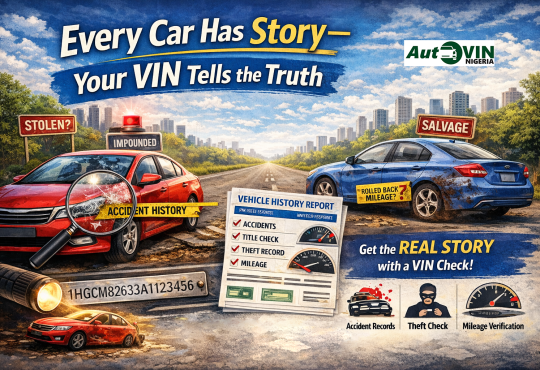
Your Vehicle Identification Number (VIN) stores the true history of the car. When you run a VIN check, you can see:
✅ Recorded mileage over time
✅ Auction history
✅ Insurance claims
✅ Service intervals
✅ Ownership transitions
If mileage drops between reports, fraud is obvious.
Example:
2018: 150,000 km
2021: 170,000 km
For sale: 65,000 km
That’s mileage tampering plain and simple.
Why People Still Get Scammed
Many buyers:
- Trust dashboard numbers
- Avoid verification to save money
- Believe whatever the seller says
- Fraudsters know this and exploit it.
👮♂️ Legal Implications
Tampering with mileage is illegal. Verified VIN records can serve as solid evidence against fraudulent sellers, importers, and auction agents.
🔧 Mechanics Can’t Always Detect It
Yes, a mechanic can spot wear… but not always mileage tampering. A freshly washed engine and shiny interior can hide years of damage.
A VIN history, however, can’t lie.
🚘 Signs Mileage Has Been Falsified
Look closely if you notice:
- Worn pedals on “low mileage” cars
- Cracked steering wheels
- Sagging seats
- Old tires
- Missing service stamps
🛡️ How AutoVIN Protects You
AutoVIN provides:
- Global mileage logs
- Imported vehicle history
- Ownership timelines
- Condition alerts
This ensures transparency before you buy
✅ Conclusions
Mileage is more than a number, it’s a story of how a vehicle lived. Faking that story puts your pocket and safety at risk. Before you commit, always verify.





WONDERFUL Post.thanks for share..extra wait .. …