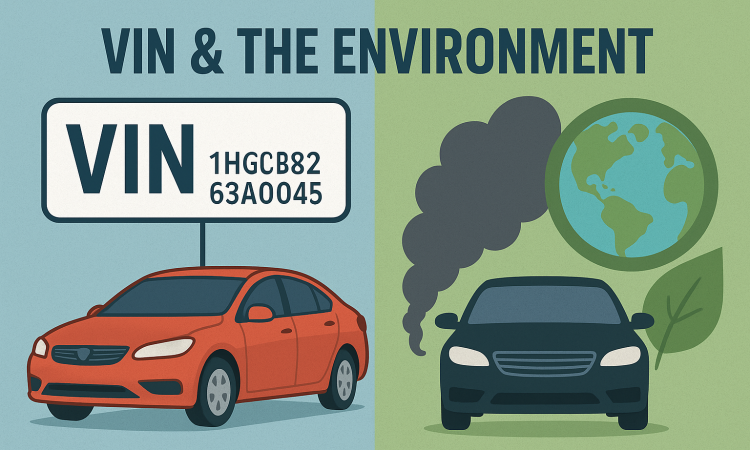
When people think about vehicle emissions, they often imagine thick smoke coming from old buses or noisy generators. But what many don’t realize is that a car’s past, hidden inside its Vehicle Identification Number (VIN), can quietly affect the air we breathe. 🌍
Whether you’re driving a Tokunbo, a locally used car, or something brand new, your vehicle’s VIN tells a story and that story plays a major role in how much pollution it releases.
🚗 The VIN: More Than Just Numbers
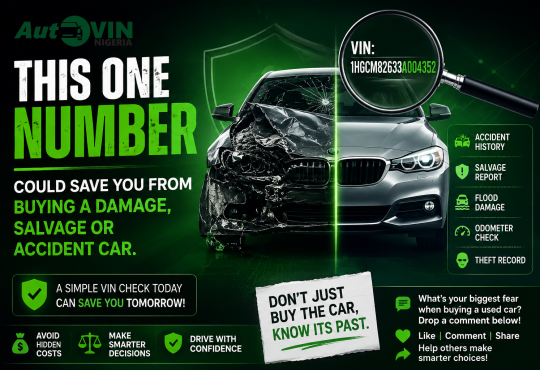
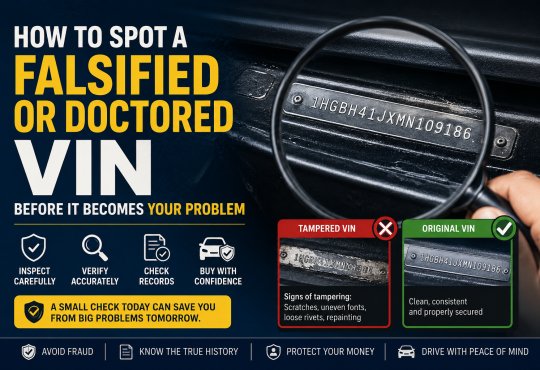
Your VIN is like your car’s DNA. It’s a 17-character code that reveals important details, such as:
- Where the car was manufactured
- The engine type
- The year of production
- Records of repairs, accidents, or recalls
Most people use VIN reports to check if a car has been stolen or involved in an accident. But a VIN check can also reveal how environmentally friendly a vehicle really is.
A VIN report can show:
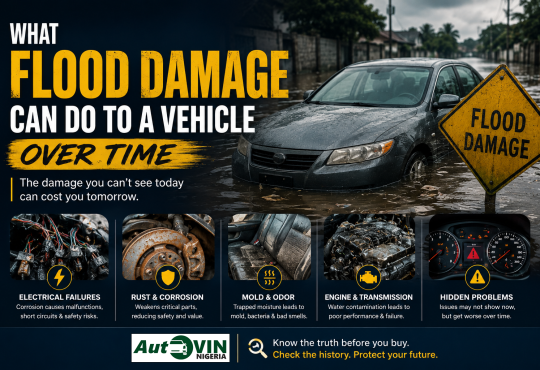
- Accident or flood damage that may affect engine efficiency
- Poor or irregular maintenance history
- Tampered or outdated emission systems
All of these factors directly influence how much carbon and harmful gases your car emits — and how long it remains safe for the environment.
🌫 When a Car’s Past Pollutes Its Future
Let’s be honest most African countries rely heavily on Tokunbo cars because they’re affordable. However, many of these vehicles were rejected in their original countries for failing emissions and performance tests.
Some are repaired just enough to pass basic inspection, then shipped here and sold as “clean.” In reality, many arrive with:
- Faulty catalytic converters
- Poor fuel efficiency
- Hidden engine damage that increases emissions
The result? More smoke on the road, more fuel wasted, and more pollution in the air.
And here’s the scary part:
You can’t detect most of these problems just by looking at the car — unless you perform a VIN history check.
🌱 How VIN Checks Help Protect the Planet
There’s good news: you can be part of the solution! 💪
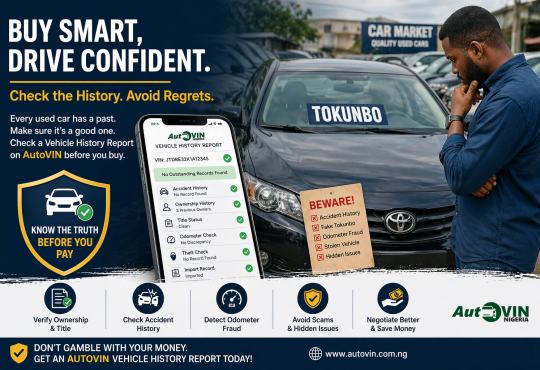
Before buying a used car, run a VIN check on trusted platforms like AutoVIN.com.ng. This quick step can tell you if a vehicle has:
✅ Failed environmental or smog tests abroad
✅ Damage that affects emission performance
✅ Modified parts that increase fuel consumption
By choosing cleaner, properly maintained vehicles, you protect yourself and contribute to a healthier environment.
💚 Small Steps, Big Impact
Every small action matters.
If more car buyers checked a vehicle’s VIN history before purchase, fewer high-emission cars would enter the market. Cleaner cars mean:
- Cleaner air
- Less fuel waste
- Reduced carbon footprint
- Better health for our children
So, before you take that “sweet Tokunbo deal,” pause and ask:
“What’s this car’s real story?”
- Run a VIN check.
- Save money.
- Protect the environment. 🌱